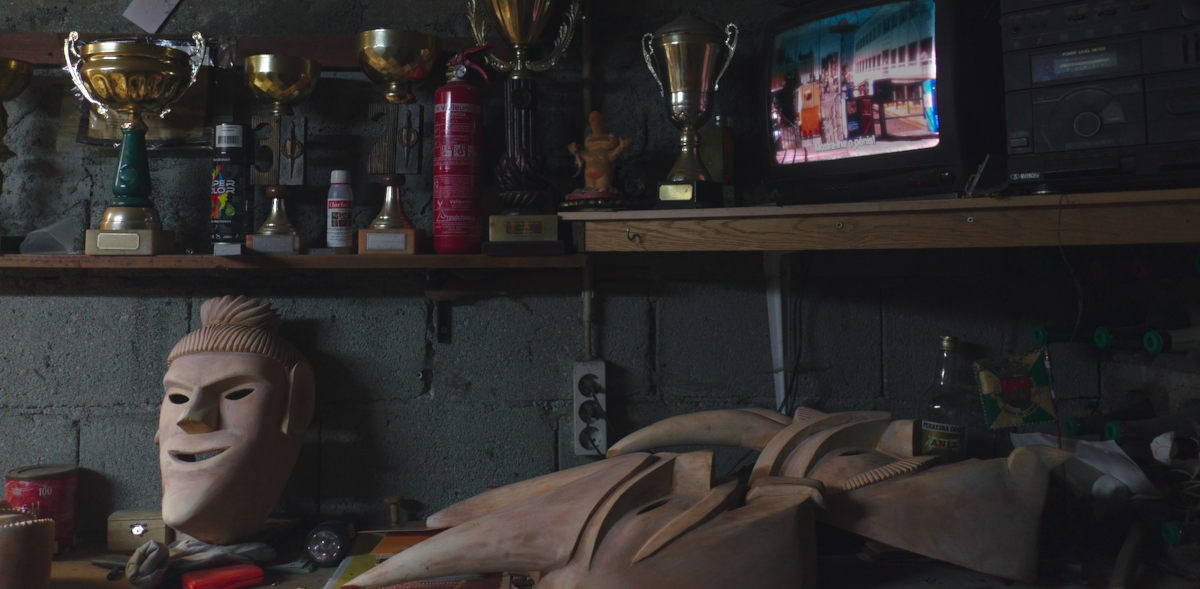
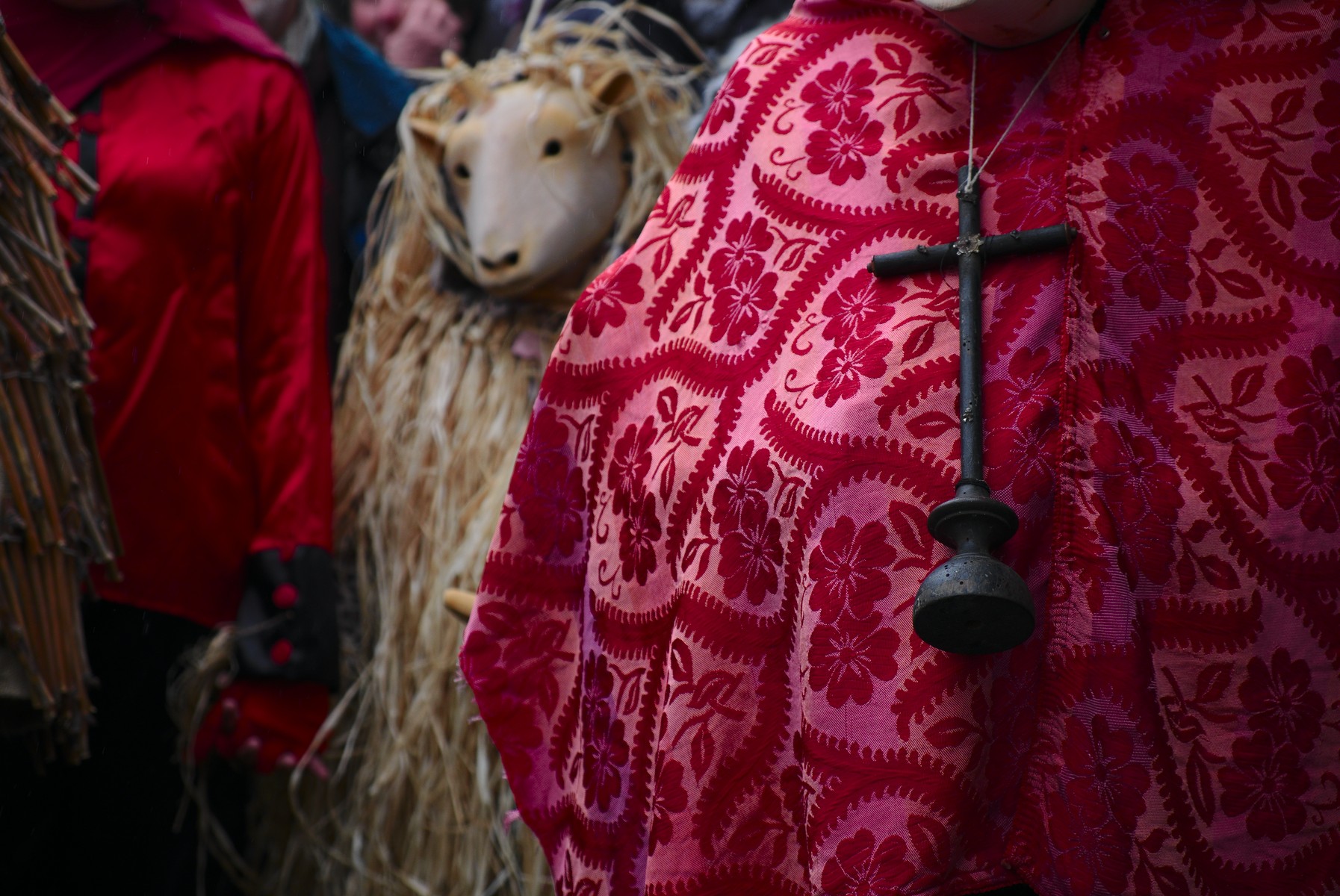
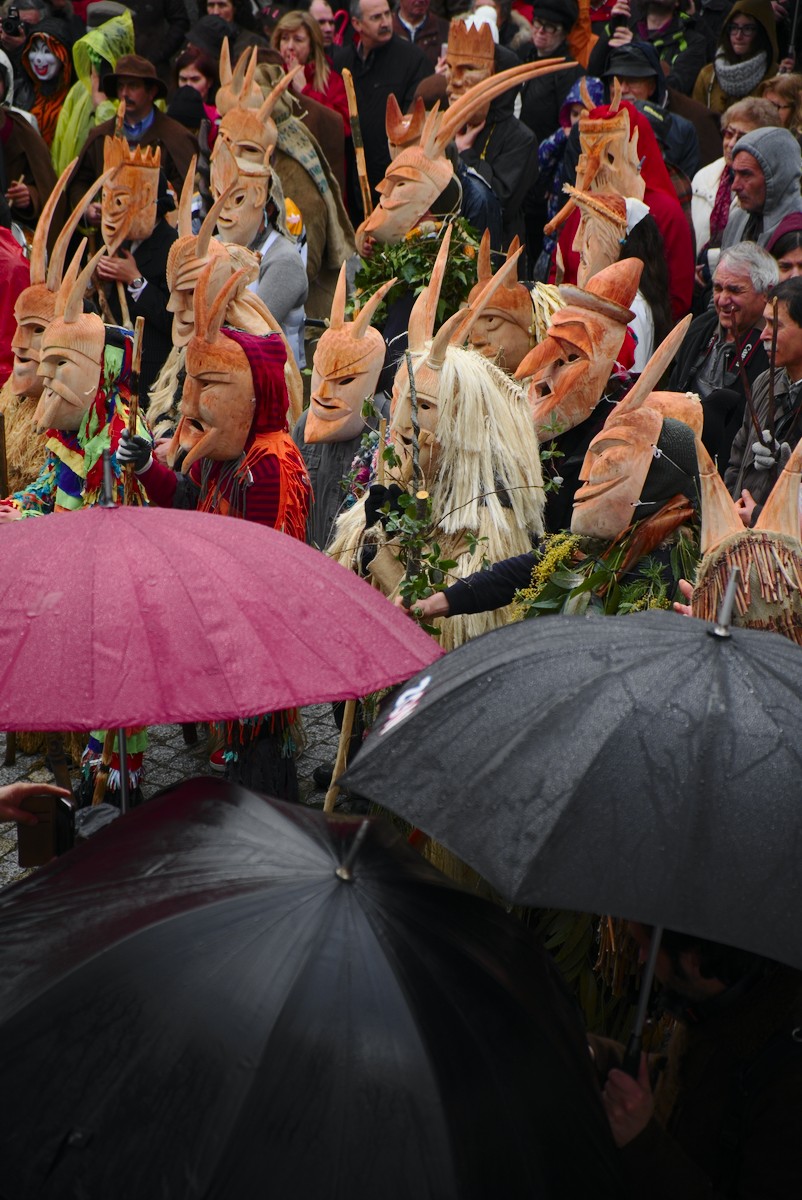
Most of the masked traditions in Portugal happen in the Northwest of country, where the distance from the coast and the main cities, along with the mountains that stand in between, allowed these pagan traditions to survive. Lazarim is one of those villages with pre-christan traditions: a Carnival hidden behind alder wood masks. Despite not being the place furthest away the fact that it lies in a bottom of a valley in the Montemuro mountains makes it be more isolated than it apparently it is.
It’s this isolation, along with the resilience of those who’ve been living there, that kept their tradition alive. What initially was a pagan fertility ritual, and highly subversive due to the masks and anonymity, survived through a strict fascist regime with strong Catholic values. It’s a common trait of all the mask traditions if been following in the last years: the church and local priest never were too fond about it. At Lazarim, during the dictatorship years, the festivities often ended up in the police station, and later the court, where the whole village would appear for trial.
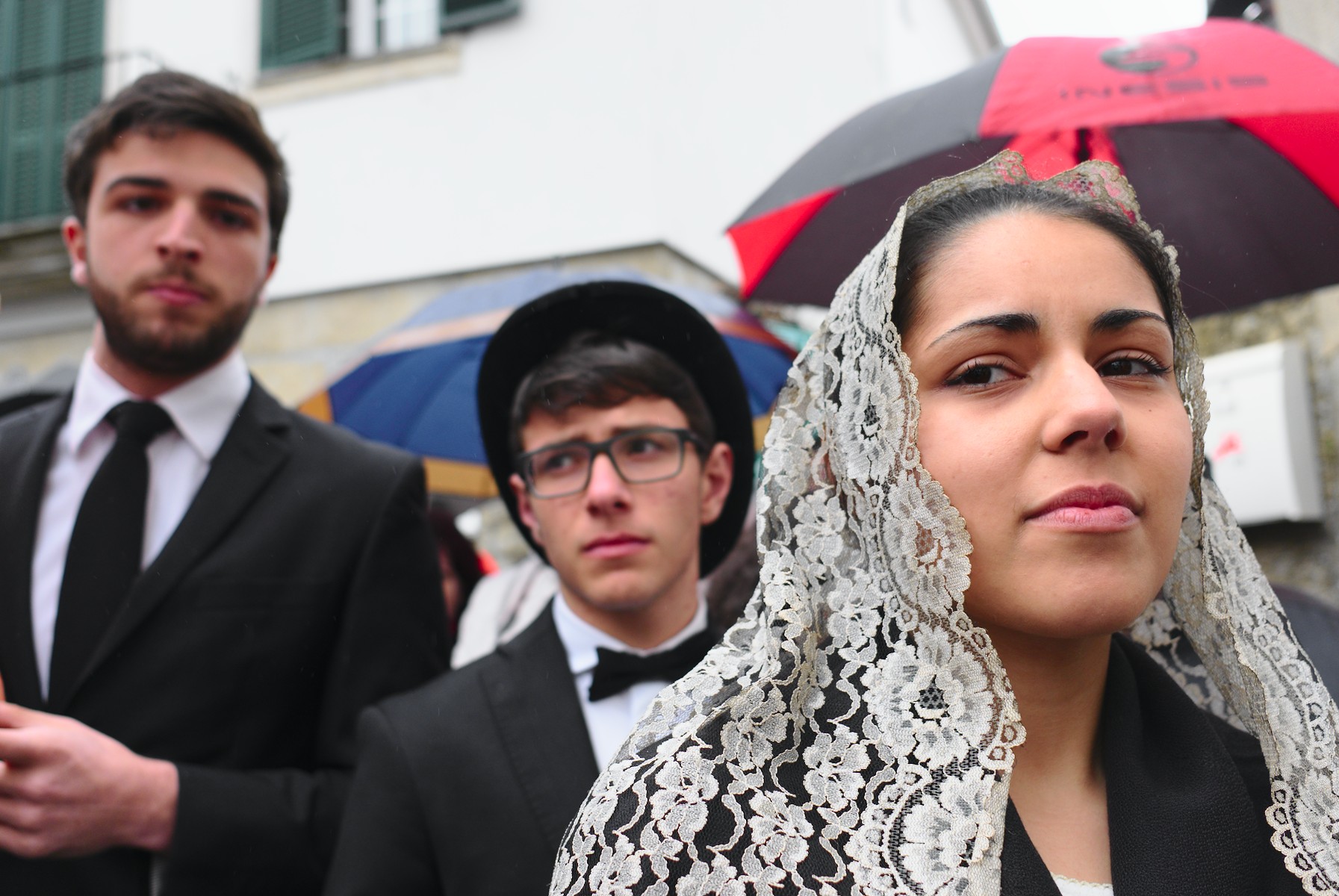
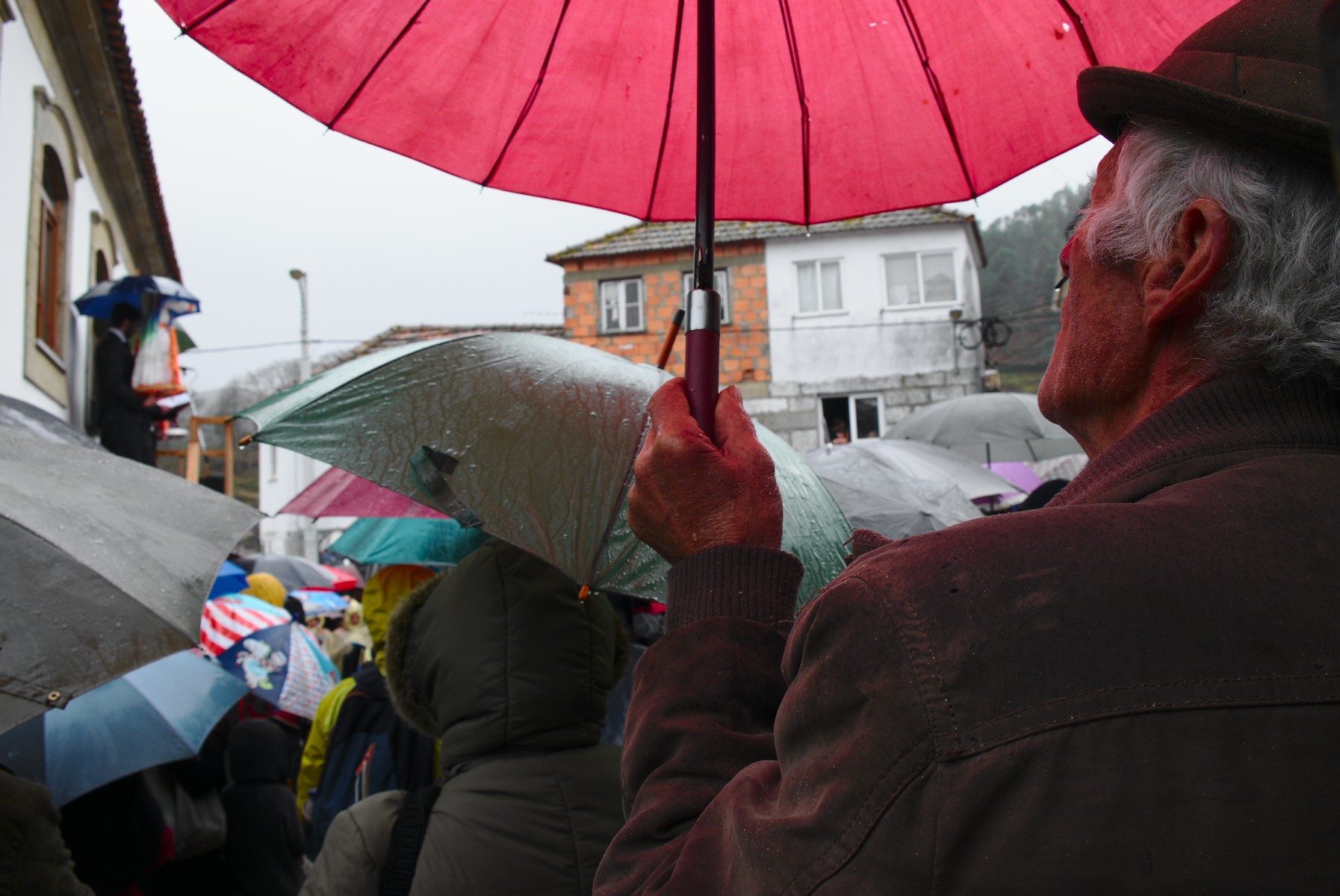
Nowadays the “guards” no longer go after the people of Lazarim, and small crowds appear on the Carnival weekend, specially on Shrove Tuesday, to attend the festivities. Things have evolved. The alder masks are still built according to the traditional motifs, but more modern ones have appeared (although the old devil masks are still the coolest), and a competition was created where all artisans aim for the trophy for the best mask of the year.
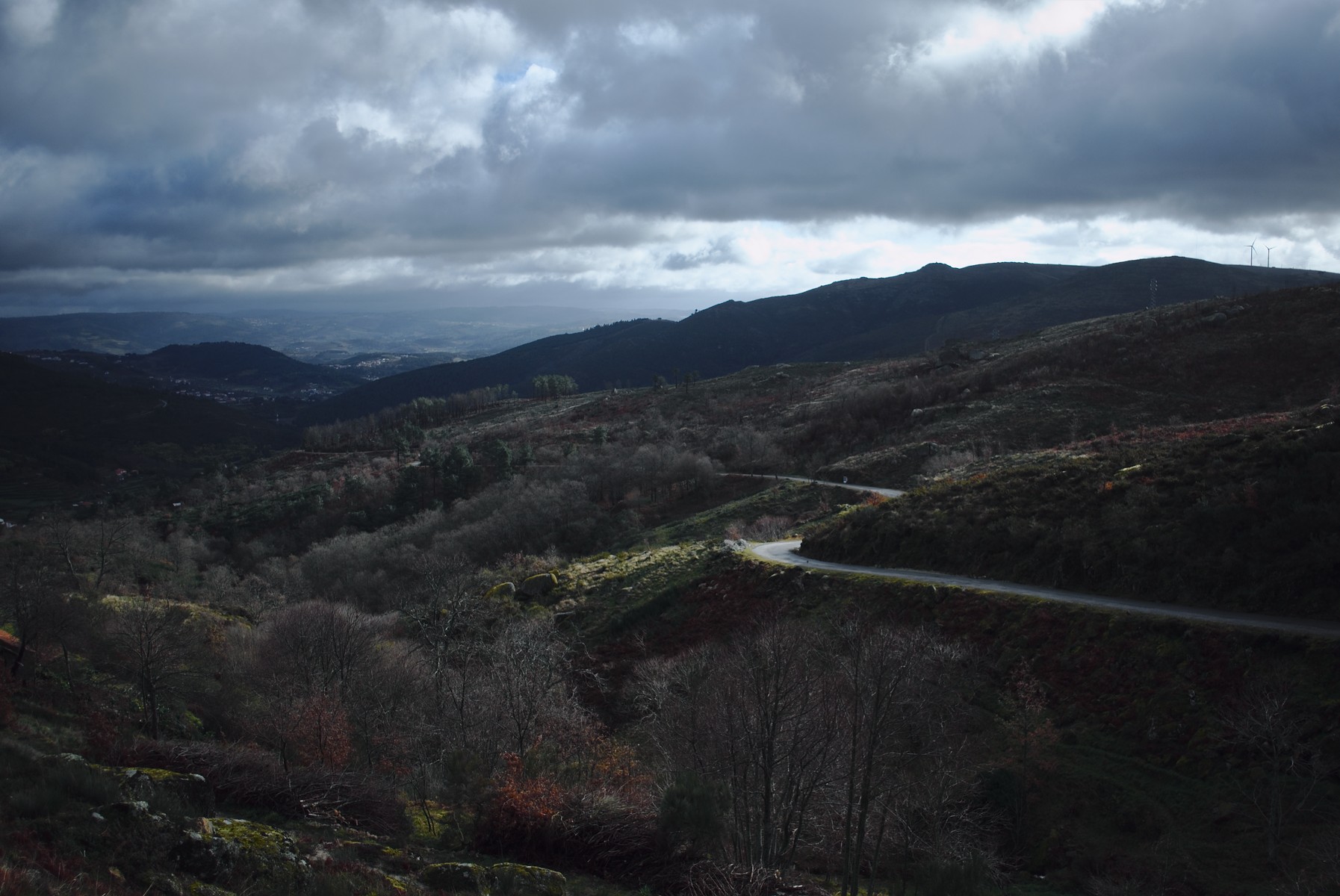 FUJIFILM X-T10 (18mm, f/2, 1/3500 sec, ISO200)
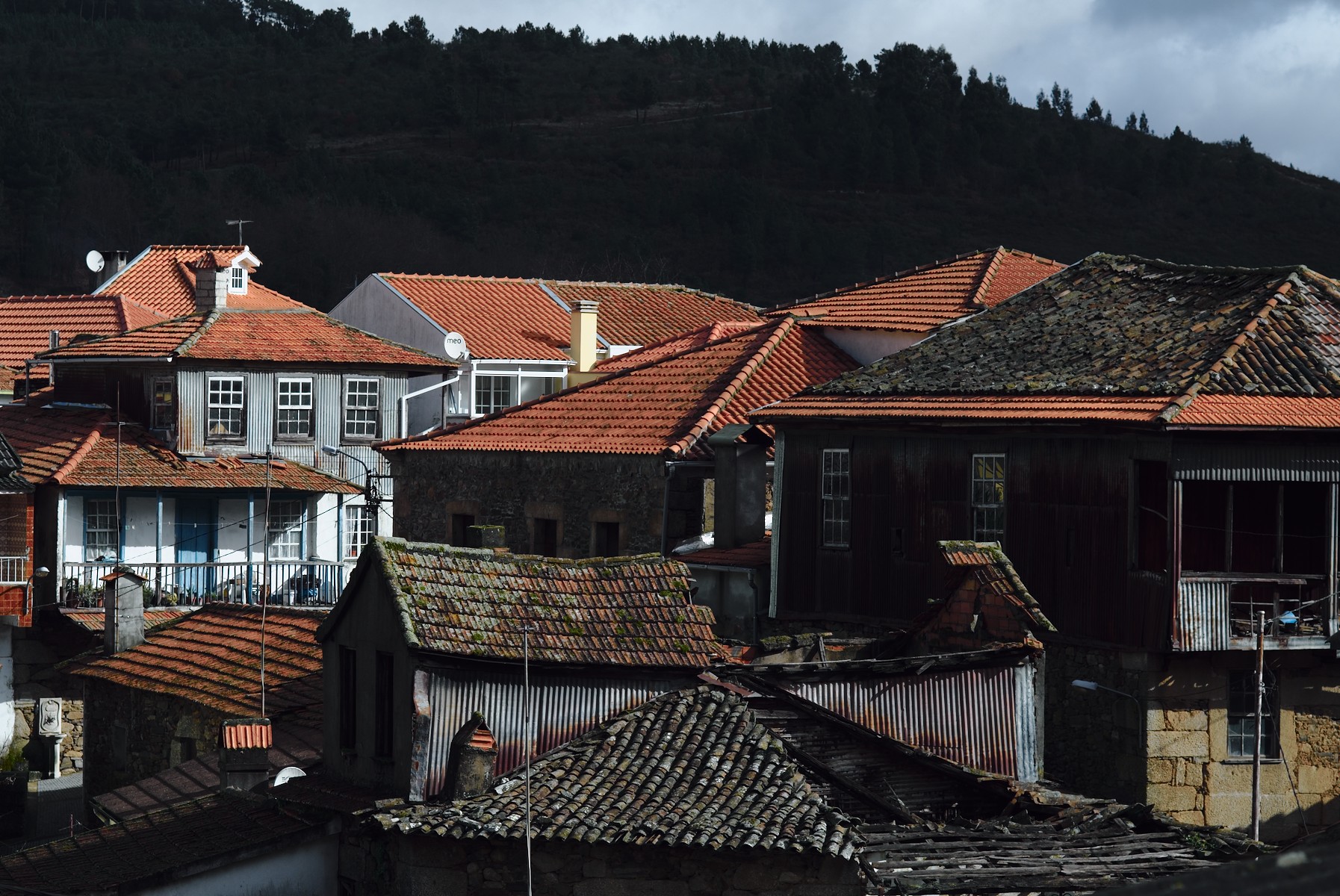 FUJIFILM X-T10 (85mm, f/0, 1/900 sec, ISO200)
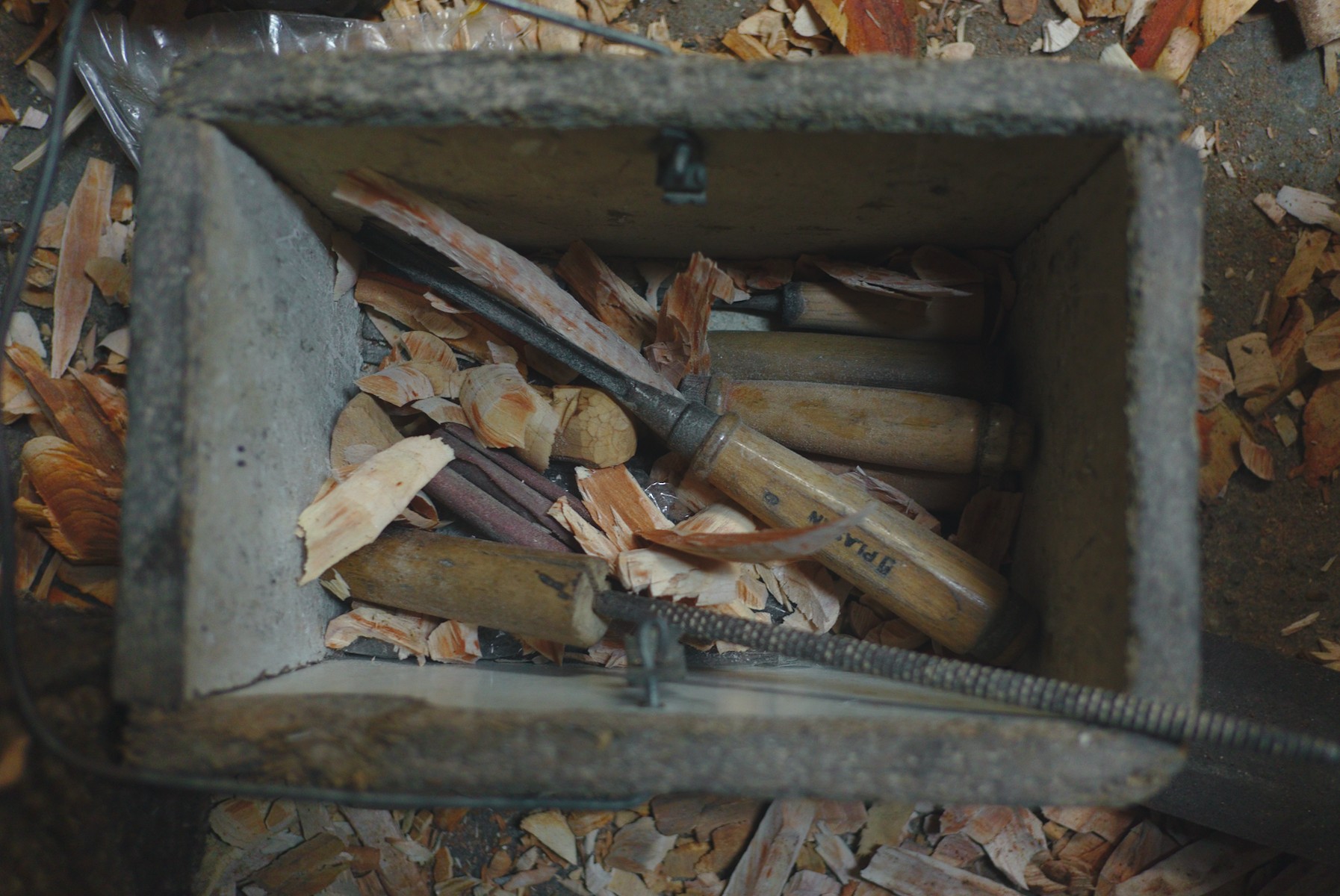 FUJIFILM X-T10 (18mm, f/2, 1/100 sec, ISO800)
 FUJIFILM X-E2 (35mm, f/2, 1/100 sec, ISO200)
 FUJIFILM X-T10 (18mm, f/2, 1/100 sec, ISO400)
 FUJIFILM X-E2 (35mm, f/2, 1/100 sec, ISO1000)
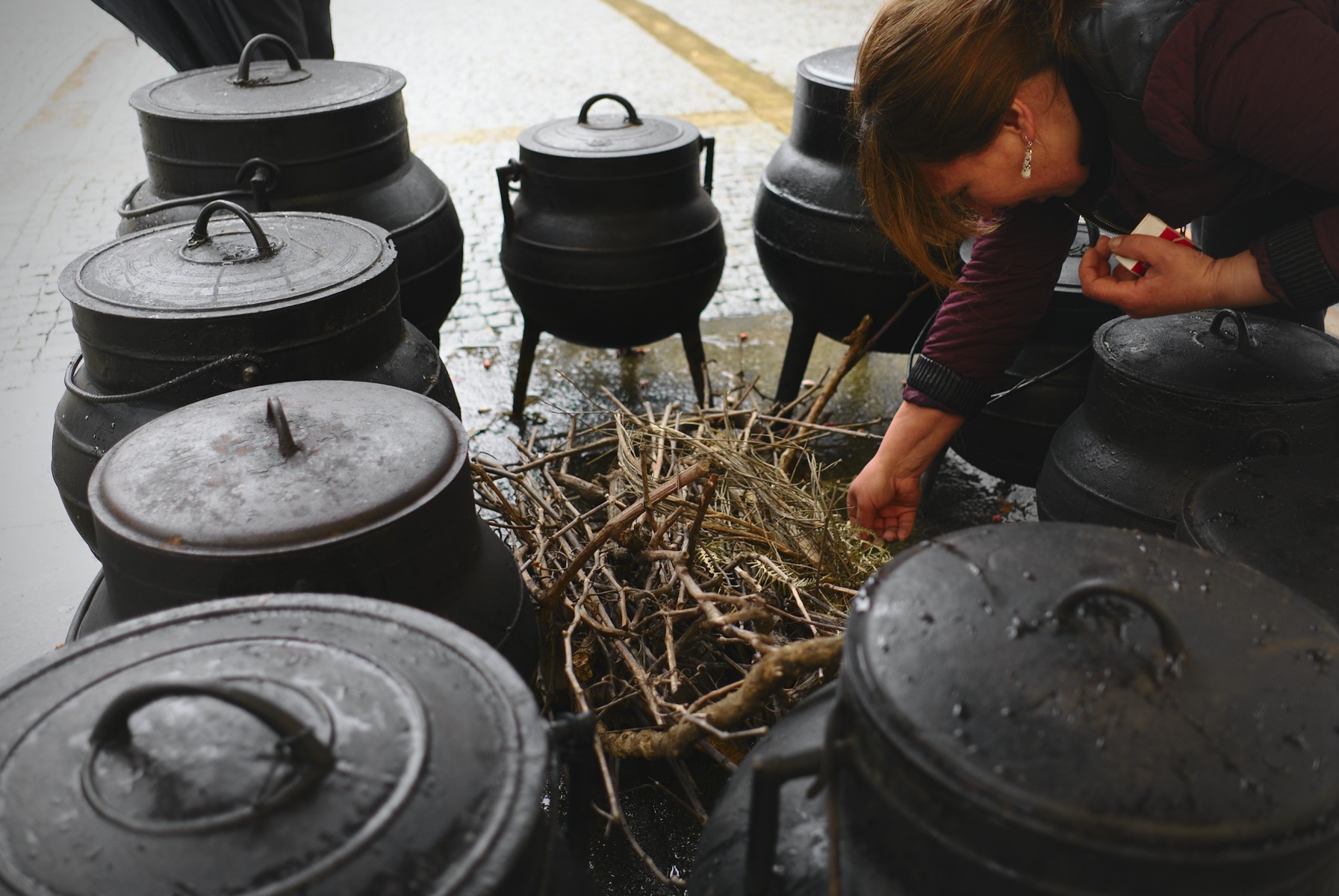 FUJIFILM X-T2 (23mm, f/2, 1/170 sec, ISO200)
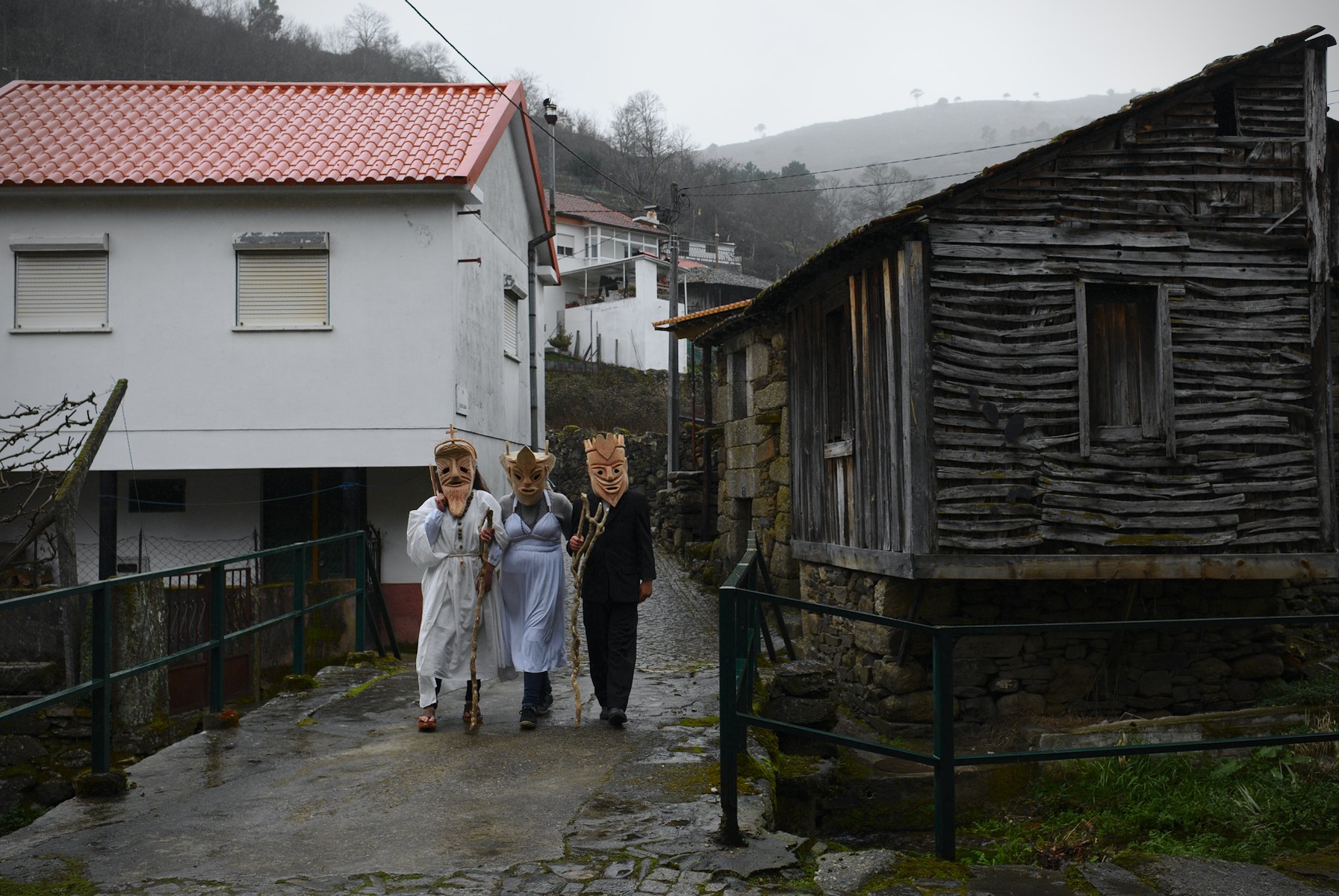 FUJIFILM X-T2 (23mm, f/4, 1/600 sec, ISO200)
 FUJIFILM X-T10 (18mm, f/2.2, 1/450 sec, ISO200)
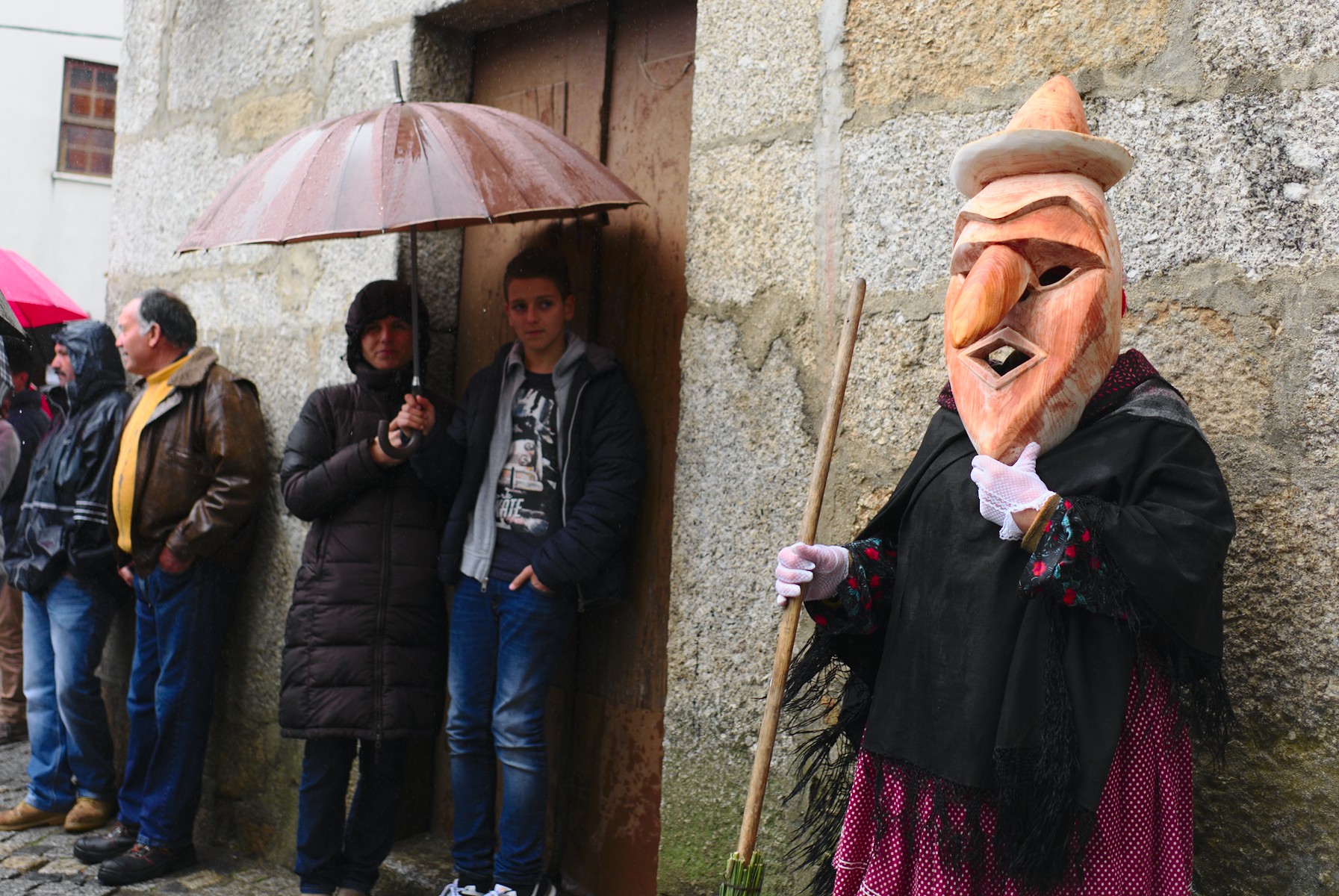 FUJIFILM X-T2 (23mm, f/2, 1/640 sec, ISO200)
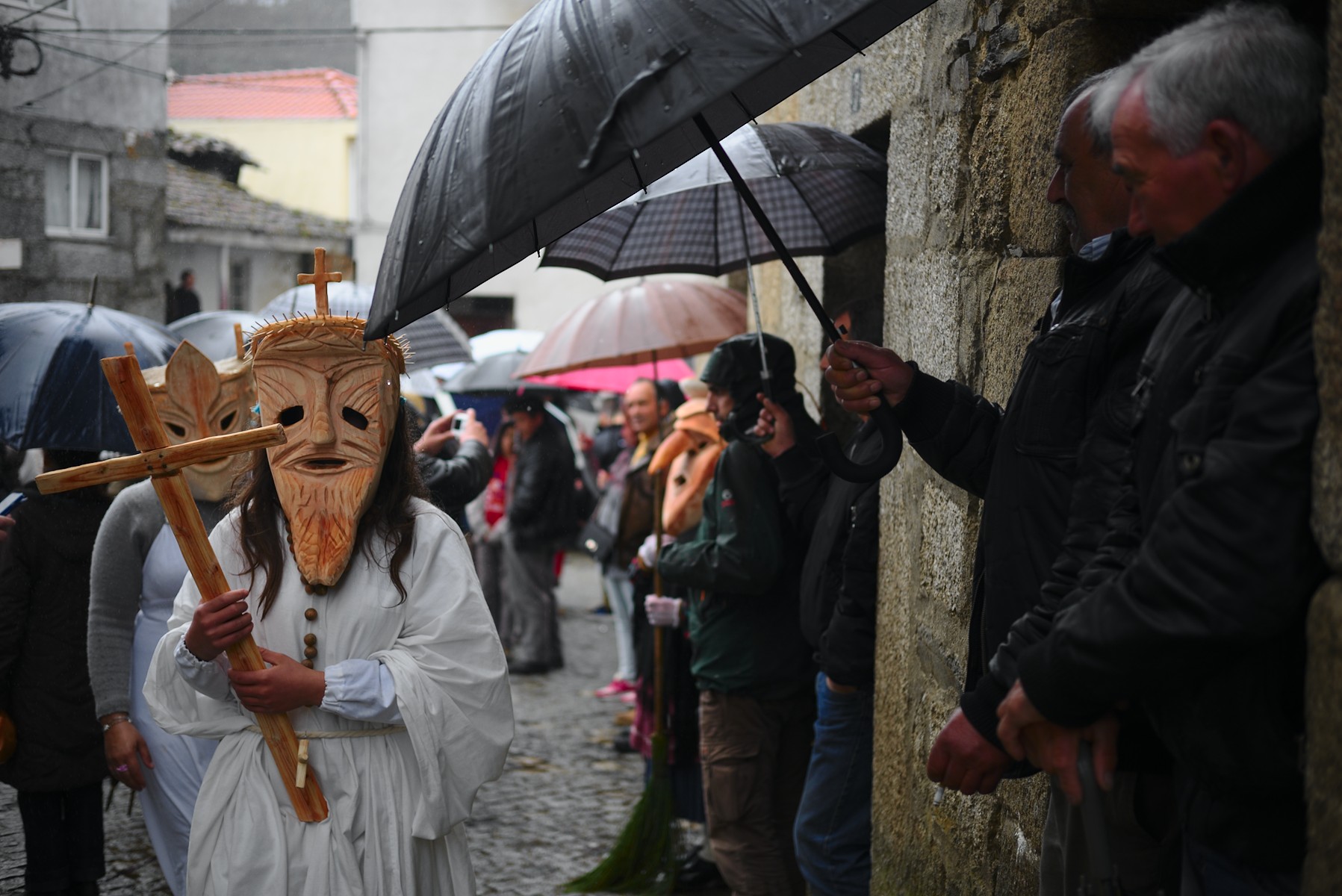 FUJIFILM X-E2 (35mm, f/2, 1/500 sec, ISO200)
 FUJIFILM X-T2 (50.5mm, f/4, 1/640 sec, ISO400)
 FUJIFILM X-T2 (55mm, f/4.5, 1/340 sec, ISO400)
 FUJIFILM X-T2 (23mm, f/3.2, 1/420 sec, ISO400)
 FUJIFILM X-T2 (18mm, f/8, 1/200 sec, ISO400)
 FUJIFILM X-T2 (55mm, f/4, 1/750 sec, ISO400)
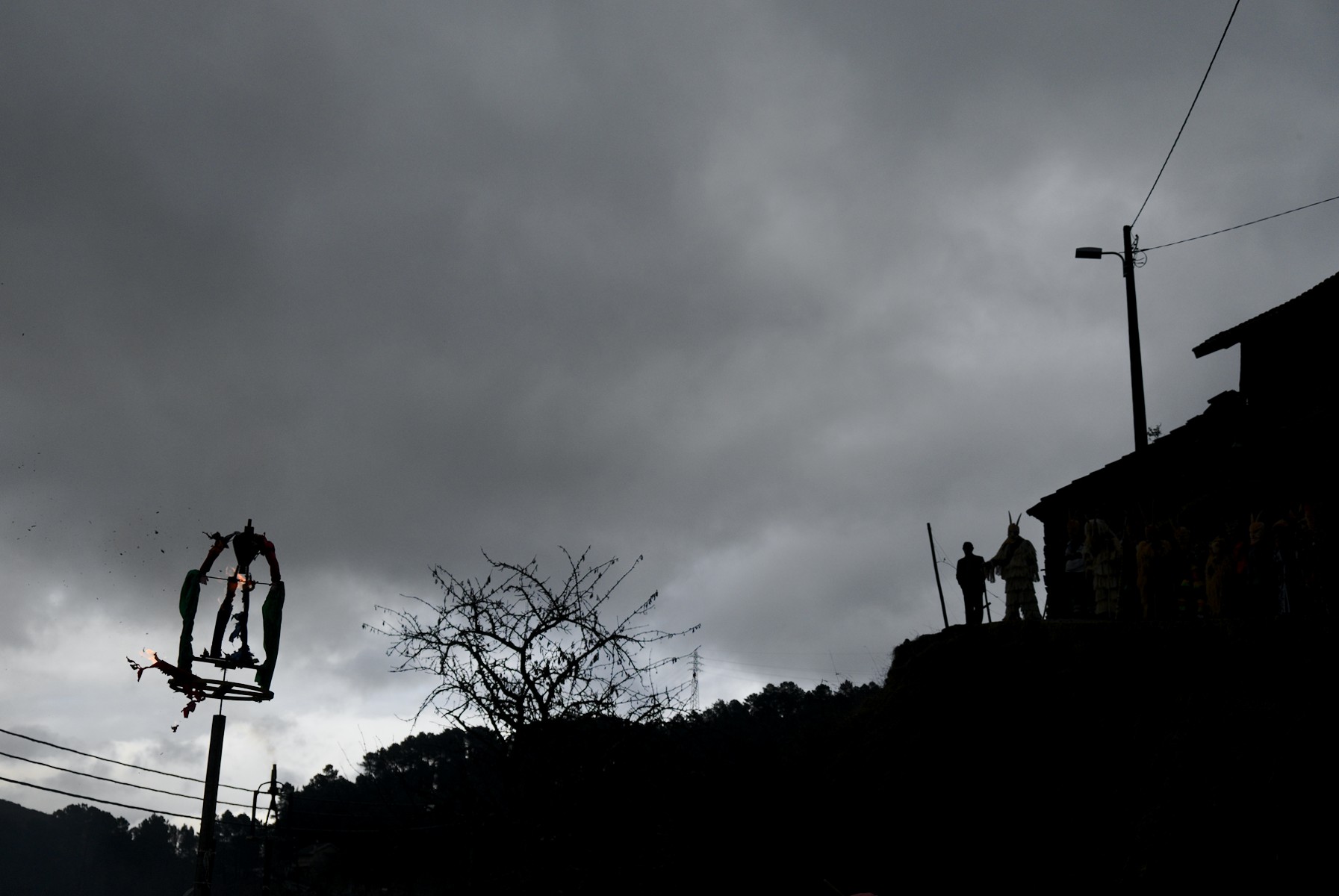 FUJIFILM X-T2 (25.4mm, f/4, 1/3800 sec, ISO400)
 FUJIFILM X-T2 (37.4mm, f/3.6, 1/80 sec, ISO3200)